Bagpipe: Playful St. Patrick’s Day Font
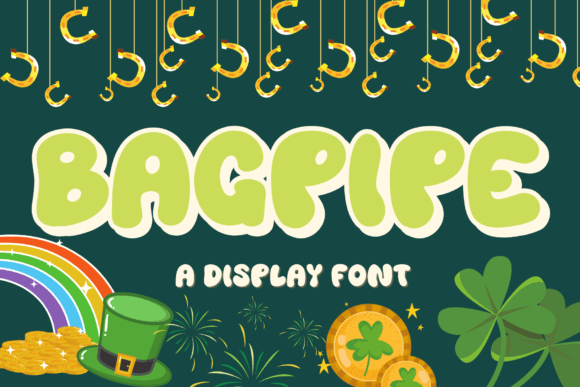
Typography is often the silent ambassador of your brand, but during seasonal celebrations, it needs to speak up. Enter Bagpipe, a display font that captures the spirited essence of St. Patrick’s Day with remarkable authenticity. Unlike generic holiday typefaces that rely on tired tropes, Bagpipe offers a unique blend of whimsy and structural integrity. It is designed for creators who want their work to feel festive without sacrificing professionalism. Whether you are designing a logo for a local pub, crafting invitations for a family gathering, or updating your blog’s seasonal header, this typeface provides the visual hook necessary to grab attention in a crowded digital landscape.
The appeal of Bagpipe lies in its versatility. While it is rooted in the cultural aesthetics associated with Ireland and St. Patrick’s Day, its playful character makes it suitable for a wide array of projects beyond the March calendar. Designers, marketers, and small business owners can leverage its distinct personality to add warmth and approachability to their communications. By understanding how to balance its decorative nature with clear communication, you can elevate your creative output and connect more deeply with your audience.
Understanding the Character of Bagpipe
At its core, Bagpipe is a display font, which means it is intended for headlines, titles, and short bursts of text rather than long-form body copy. Its design embodies playfulness, featuring rounded edges and irregular strokes that mimic hand-lettered signs found in traditional Irish pubs. This authenticity is crucial because modern audiences are adept at spotting lazy design. They respond better to visuals that feel crafted and intentional.
The font’s structure allows it to stand out without becoming illegible. Many decorative fonts suffer from poor readability, but Bagpipe maintains enough consistency in letterforms to ensure your message is received clearly. This balance makes it an excellent choice for branding materials where recognition is key. For entrepreneurs and freelancers, using a font like Bagpipe can help differentiate a business from competitors who rely on standard, safe typefaces. It signals creativity and a willingness to engage with customers on a more personal, human level.
Creative Applications for Designers and Marketers
For graphic designers and marketing professionals, the challenge is often finding a typeface that fits a specific theme without limiting future use. Bagpipe solves this by offering a strong thematic presence that can be adapted through color, spacing, and layout. Here are several practical ways to integrate this font into your workflow:
- Event Invitations and Greeting Cards: The playful nature of Bagpipe makes it ideal for social events. Use it for the main headline of a St. Patrick’s Day party invitation or a casual birthday card. Pair it with a clean sans-serif font for the details to maintain readability.
- Logo Design and Branding: Small businesses in the food and beverage industry, particularly those with an Irish or pub theme, can use Bagpipe for primary logos. It conveys friendliness and tradition simultaneously. Ensure the logo is scalable by testing it at various sizes.
- Social Media Graphics: In the fast-paced world of Instagram and Facebook, visuals must stop the scroll. Use Bagpipe for quote graphics, promotional banners, or story highlights. Its bold character ensures it remains visible even on small mobile screens.
- Blog Headers and Digital Content: Bloggers can use Bagpipe to break up text-heavy posts. A seasonal header in this font can refresh an existing article or highlight a special series. It adds visual interest without distracting from the core content.
When using Bagpipe in digital formats, consider the contrast between the text and the background. Dark green or gold text on a light cream background often enhances the traditional feel, while white text on a deep emerald background creates a modern, high-impact look. Experimenting with these combinations can yield surprising results that align with your brand’s color palette.
Practical Uses for Educators and Hobbyists
Beyond commercial design, Bagpipe has significant value for educators, hobbyists, and individuals managing personal projects. Teachers looking to create engaging classroom materials for cultural studies or history lessons can use this font to make worksheets and presentations more visually appealing. It helps capture students’ attention and makes learning about cultural traditions feel less like a chore and more like an exploration.
For hobbyists involved in scrapbooking or photo album creation, Bagpipe adds a narrative element to visual memories. Captions written in this font can evoke the mood of a specific event, such as a family reunion or a trip to Ireland. The key is moderation; use the font for titles and dates, allowing the photos to remain the focal point. This approach keeps the layout organized and prevents the design from feeling cluttered.
Planners and journal enthusiasts can also benefit from incorporating Bagpipe into their layouts. Using it for monthly headers or section dividers adds a touch of personality to daily organization tools. It transforms a functional item into a creative outlet, encouraging consistent use and engagement with personal goals.
Best Practices for Effective Implementation
To get the most out of Bagpipe, it is essential to follow some basic design principles. First, avoid using the font for long paragraphs. Display fonts are designed for impact, not endurance. Reading large blocks of text in a decorative typeface can cause eye strain and reduce comprehension. Instead, reserve Bagpipe for headings, subheadings, and call-to-action buttons.
Second, pay attention to kerning and spacing. Decorative fonts sometimes have irregular spacing between letters. Adjusting the tracking can improve legibility and create a more polished look. If you are using Bagpipe in all caps, increase the letter spacing slightly to allow each character to breathe. This simple adjustment can significantly enhance the professional appearance of your design.
Third, maintain consistency across your project. If you choose Bagpipe for your main headers, stick with it throughout the document or campaign. Switching between multiple decorative fonts can create visual chaos and dilute your message. Pair Bagpipe with a neutral, easy-to-read font for body text. Classic choices include Helvetica, Arial, or Open Sans, which provide a stable foundation for the more expressive display font.
Expanding Beyond St. Patrick’s Day
While Bagpipe is marketed as a St. Patrick’s Day font, its utility extends far beyond March 17th. The qualities that make it suitable for Irish themes—playfulness, authenticity, and warmth—are valuable in many other contexts. It works well for any project requiring a friendly, approachable tone. Consider using it for summer festival posters, autumn harvest events, or even children’s book covers. The key is to focus on the emotion you want to convey rather than just the cultural association.
For example, a bakery might use Bagpipe for a special edition cookie label, regardless of the holiday. The font’s hand-crafted feel suggests artisanal quality and care, which appeals to consumers looking for authentic products. Similarly, a travel blogger could use it for titles related to rustic destinations or cultural experiences, leveraging its organic aesthetic to enhance the storytelling.
By viewing Bagpipe as a tool for expressing personality rather than just a seasonal accessory, you unlock its full potential. It becomes a versatile asset in your creative toolkit, ready to add charm and character to a wide variety of projects. Whether you are a seasoned designer or a novice creator, experimenting with this font can inspire new ideas and elevate your work.
Final Thoughts on Creative Typography
Choosing the right font is a critical step in the design process. Bagpipe offers a compelling option for those seeking to infuse their projects with joy and authenticity. Its ability to bridge the gap between festive celebration and professional design makes it a valuable resource for anyone looking to make a visual impact. By applying the practical tips outlined above, you can ensure that your use of Bagpipe is both effective and engaging.
Remember, the goal of typography is to enhance communication, not hinder it. Use Bagpipe to draw attention, set the mood, and guide your audience through your content. With thoughtful application, this font can help you create designs that are not only visually striking but also meaningful and memorable. Add it to your next project and enjoy the results of combining creativity with strategic design choices.