Classic History: Integrating Retro Typography into Modern Design Workflows
In the fast-paced world of digital design, trends often cycle with predictable regularity. However, certain aesthetic choices transcend fleeting fads, offering a sense of permanence and narrative depth that modern minimalism sometimes lacks. Classic History represents one such choice. It is not merely a typeface; it is a strategic design asset that bridges the gap between contemporary branding needs and the textured allure of the past. For professionals ranging from marketing directors to independent creators, understanding how to integrate this font into a broader workflow can significantly enhance the emotional resonance and visual impact of their projects.
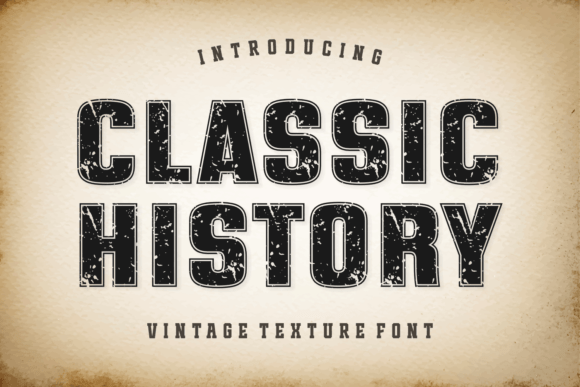
The appeal of Classic History lies in its distinctively crafted display characteristics. It whisks viewers away to a bygone age brimming with endless allure, specifically tapping into the era of retro typography. This is not a clean, sterile vector graphic but a beautifully textured font peppered with a distressed style. These imperfections are intentional, laying down a pathway to limitless creativity by adding tactile realism to digital screens and printed materials alike. When you choose to implement this font, you are making a deliberate decision to inject character and history into your visual communication.
Strategic Placement in the Design Process
Integrating Classic History requires more than simply selecting it from a dropdown menu. To maximize its effectiveness, it should be considered during the initial conceptualization phase of any project. Before opening design software, ask yourself what narrative you wish to convey. If your brand or project aims to evoke trust, tradition, craftsmanship, or a sense of established authority, this font serves as an ideal foundational element.
During the execution phase, the font acts as a flexible toolset designed to handle everything from quotes and posters to product personalization with complete ease. Its versatility allows it to function as a primary headline element or a subtle accent, depending on the scale and context. For instance, when designing a logo, the distressed texture can break up the rigidity of geometric shapes, creating a logotype that feels handcrafted rather than manufactured. This approach amplifies your brand image by suggesting a human touch behind the corporate facade.
Enhancing Brand Identity and Logotypes
One of the most critical applications of Classic History is in the development of brand identity systems. A logo is often the first point of contact between a business and its audience. By utilizing a font that breathes a unique character into all designs, you establish an immediate tonal connection. The military or educational flair inherent in the font’s structure can be particularly effective for institutions, breweries, barber shops, or artisanal goods manufacturers who rely on heritage as a selling point.
When working on logotypes, consider the interaction between the font and other graphical elements. Because Classic History carries significant visual weight and texture, it pairs best with clean, simple icons or negative space. Overcomplicating the surrounding design can dilute the impact of the typography. The goal is to let the font’s distressed details speak for themselves, ensuring that the final mark is legible across various mediums, from business cards to large-format signage.
Application in Marketing and Print Media
Beyond branding, this inventive font excels in embellishing visuals for marketing campaigns. Posters, flyers, and social media graphics benefit immensely from the nostalgic pull of retro aesthetics. In a digital landscape saturated with sleek, high-gloss imagery, a poster featuring Classic History stands out by offering a sense of authenticity. It suggests that the content has weight and history, encouraging the viewer to pause and engage more deeply.
For marketers and bloggers, using this font for pull quotes or section headers can break up long-form text and add visual interest. It transforms standard informational content into an experience. However, usability is key. Since it is a display font, it should not be used for body text. Reserve it for headlines, titles, and short bursts of information where its distinctive features can be appreciated without compromising readability. This disciplined approach ensures consistency and quality control across all marketing collateral.
Product Personalization and Merchandise
The rise of print-on-demand services has made product personalization a viable revenue stream for many creators. Classic History is exceptionally suited for this purpose, particularly in the apparel industry. Elevating T-shirt designs or transforming a clothing line with this font can amplify the charisma of every artwork it graces. The distressed style mimics the look of vintage screen printing, which is highly valued in streetwear and casual fashion markets.
When preparing files for print, ensure that the texture of the font translates well to the chosen material. Vectorizing the font while preserving its distressed edges requires careful attention to detail. You may need to adjust the level of distress depending on the printing method—screen printing, direct-to-garment, or heat transfer. Testing samples is a crucial step in the workflow to ensure that the "spritz of the past" does not become illegible noise on fabric. This enduring retro font becomes a charming revolution set to inject personality into merchandise, turning simple garments into statement pieces.
Workflow Integration and Technical Considerations
To smoothly integrate Classic History into your daily routine, organization is paramount. Store the font files in a dedicated library alongside other complementary assets. This facilitates quick access during tight deadlines and ensures that team members are using the correct version of the typeface. Consistency in font usage builds brand recognition over time, so establishing clear guidelines on when and how to use Classic History is essential for collaborative environments.
Compatibility with design software is another practical consideration. Most modern design platforms support OpenType and TrueType fonts, allowing for seamless integration into Adobe Creative Cloud, Canva, or Affinity Designer. However, always check licensing agreements if you are using the font for commercial client work. Understanding the rights associated with the font prevents legal complications and supports the creators who develop these valuable tools.
Furthermore, consider the color palette when using this font. The textured nature of Classic History interacts differently with various backgrounds. Dark colors on light backgrounds often highlight the distressed details effectively, while reversed setups may require bolding or adjusting contrast to maintain clarity. Experimentation during the drafting phase helps identify the optimal combinations for specific projects.
Long-Term Value and Creative Evolution
Adopting Classic History is not just about following a trend; it is about investing in a design language that offers long-term value. As brands mature, they often seek to deepen their connection with audiences through storytelling. This font provides a visual vocabulary for that story, allowing businesses to evolve their aesthetic without losing their core identity. It serves as a bridge between the old and the new, making it relevant for both startups looking to establish credibility and established companies aiming to refresh their image.
For educators and hobbyists, exploring the nuances of this font can be a learning activity in itself. Studying how distress textures affect perception, how letter spacing influences readability, and how historical references inform modern design decisions enhances overall design literacy. It encourages a mindset of thoughtful creation rather than rapid production.
Ultimately, Classic History is much more than a mere design ingredient. It is a versatile partner in the creative process, capable of adapting to various contexts while maintaining its distinctive charm. Whether you are designing a logo, printing a poster, or launching a clothing line, this font offers the tools needed to create work that resonates. By stepping into a world where style meets versatility, you equip yourself with the ability to craft visuals that are not only seen but felt. Embrace the enchantment of yesteryears and let Classic History guide your next creative venture toward meaningful and impactful outcomes.